Prohibited Security Camera Placement Areas - What You Must Avoid
Learn the exact locations where installing security cameras can lead to legal trouble, privacy breaches, and technical failures, plus a checklist to stay compliant.
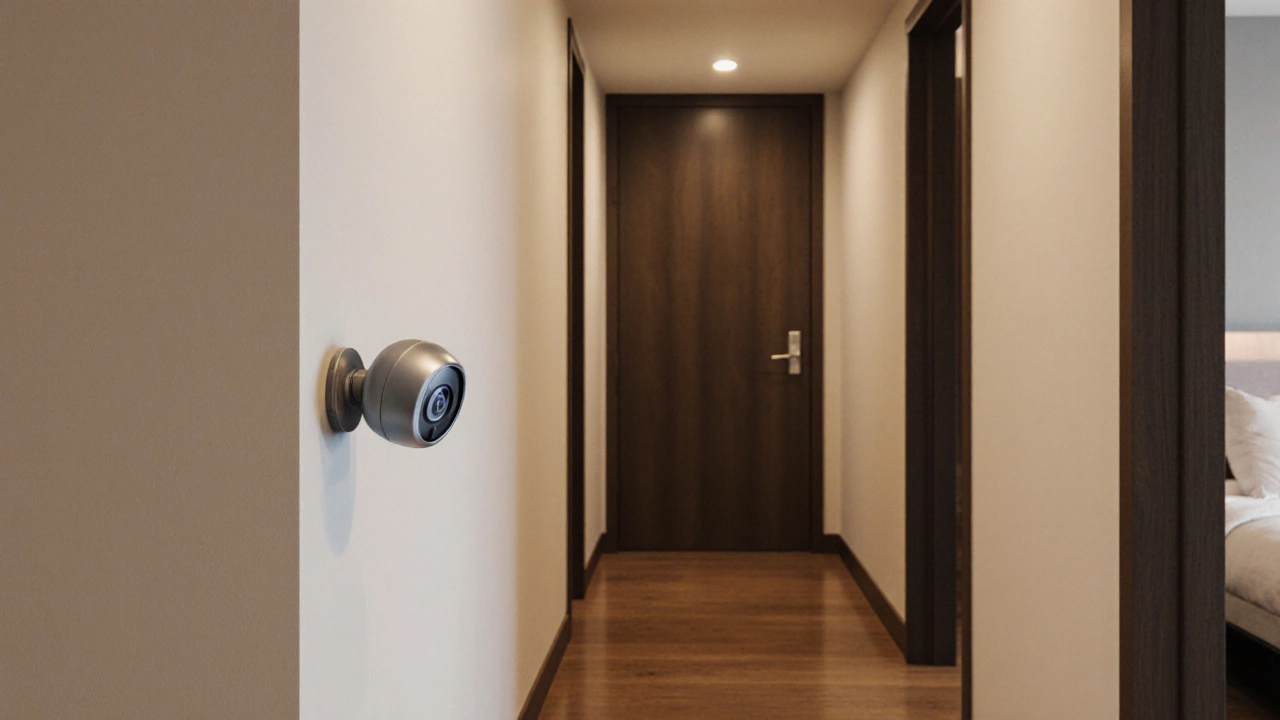
When you install a security camera, a device used to monitor property for safety and deterrence. Also known as CCTV, it helps protect homes and businesses—but only if used legally. In the UK, you can’t point a camera just anywhere. Even if you own the property, placing a camera where people have a reasonable expectation of privacy is against the law. This isn’t about being paranoid—it’s about respecting rights, avoiding fines, and staying on the right side of the Data Protection Act and GDPR.
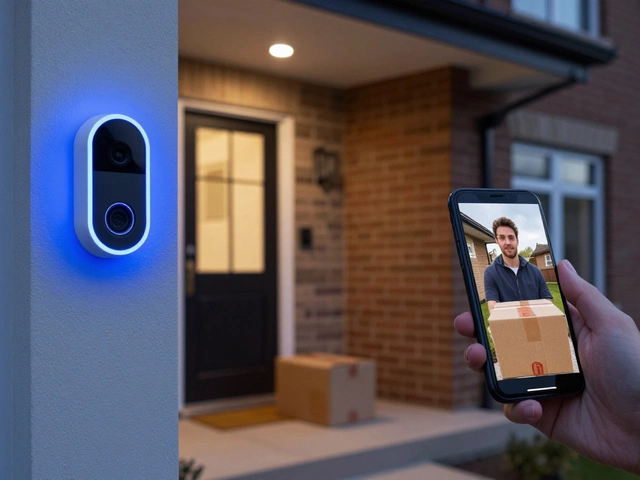
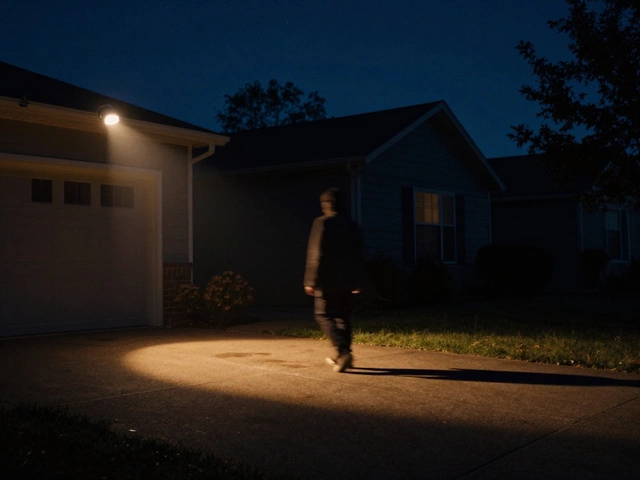
One of the most common mistakes? Pointing a doorbell camera at a neighbor’s front door, porch, or window. If your camera captures footage of someone’s private space—even accidentally—you could be breaking the law. The same applies to cameras trained on public footpaths, shared driveways, or communal areas in apartment buildings. You also can’t install cameras inside bathrooms, changing rooms, bedrooms, or anywhere someone might undress or use the toilet. These are prohibited camera locations, areas where surveillance is legally banned due to privacy protections. Even if you think you’re just "keeping an eye out," the law doesn’t care about your intent. It cares about what’s recorded.
Then there’s the issue of privacy laws, rules that protect individuals from unwanted observation in personal spaces. If your camera picks up audio, it’s even more tightly regulated. Recording conversations without consent is illegal under the Regulation of Investigatory Powers Act. And if you share footage online—say, on social media or a public portal—you could be violating data protection rules. Police can demand footage, but only under specific legal conditions. You don’t have to hand it over on a whim.
Some people think, "But my camera is just facing my garden!" That’s fine—if it doesn’t catch your neighbor’s kids playing, their car entering their driveway, or their backyard. A camera’s field of view matters more than where it’s mounted. A small adjustment can turn a legal setup into a violation. Use the camera’s viewing angle tool during setup. Test it at different times of day. Ask a neighbor to walk by and see what your camera captures. If you’re unsure, err on the side of caution.
There’s no official UK map of banned camera spots, but courts have ruled consistently: private spaces stay private. That includes hotel rooms, locker rooms, medical offices, and even your own home if the camera captures a room where someone has a right to privacy. Landlords can’t install cameras in rented bedrooms or bathrooms. Employers can’t monitor staff in restrooms or break rooms. These aren’t gray areas—they’re clear red lines.
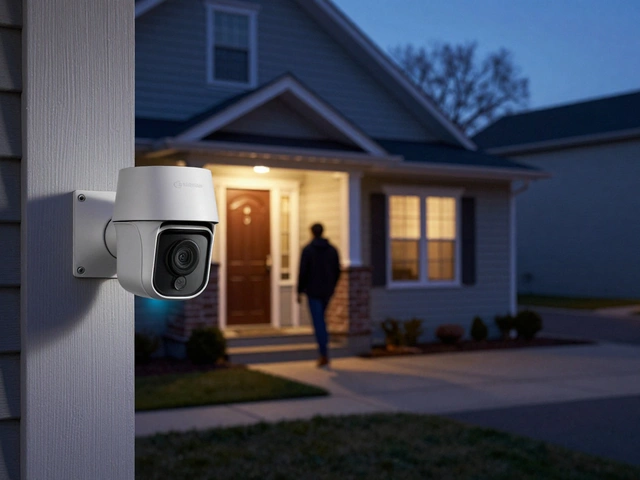
What about your own property? You can film your front yard, driveway, or garage—just make sure you’re not capturing more than necessary. Signs saying "CCTV in operation" aren’t always required, but they help show you’re transparent. Keep footage for no longer than needed. Delete it after 30 days unless it’s tied to an incident. And never, ever use hidden cameras. Even in your own home, hidden cameras in shared spaces can lead to criminal charges.
Below, you’ll find real-world examples and practical advice from people who’ve been there. Some learned the hard way. Others saved themselves from trouble by asking the right questions first. Whether you’re setting up your first camera or upgrading your system, these posts will help you avoid the most common—and costly—mistakes.
Learn the exact locations where installing security cameras can lead to legal trouble, privacy breaches, and technical failures, plus a checklist to stay compliant.