Smart Home Security: What You Need to Know in 2025
When you hear "smart home," the first thing that pops into most heads is a voice‑controlled light or a thermostat you can tweak from the couch. But the real power of a smart home lies in security. A well‑wired (or well‑wired‑free) system can give you peace of mind without breaking the bank. Below you’ll find the essentials to turn any house into a safe, connected space.
Choosing the Right Smart Doorbell
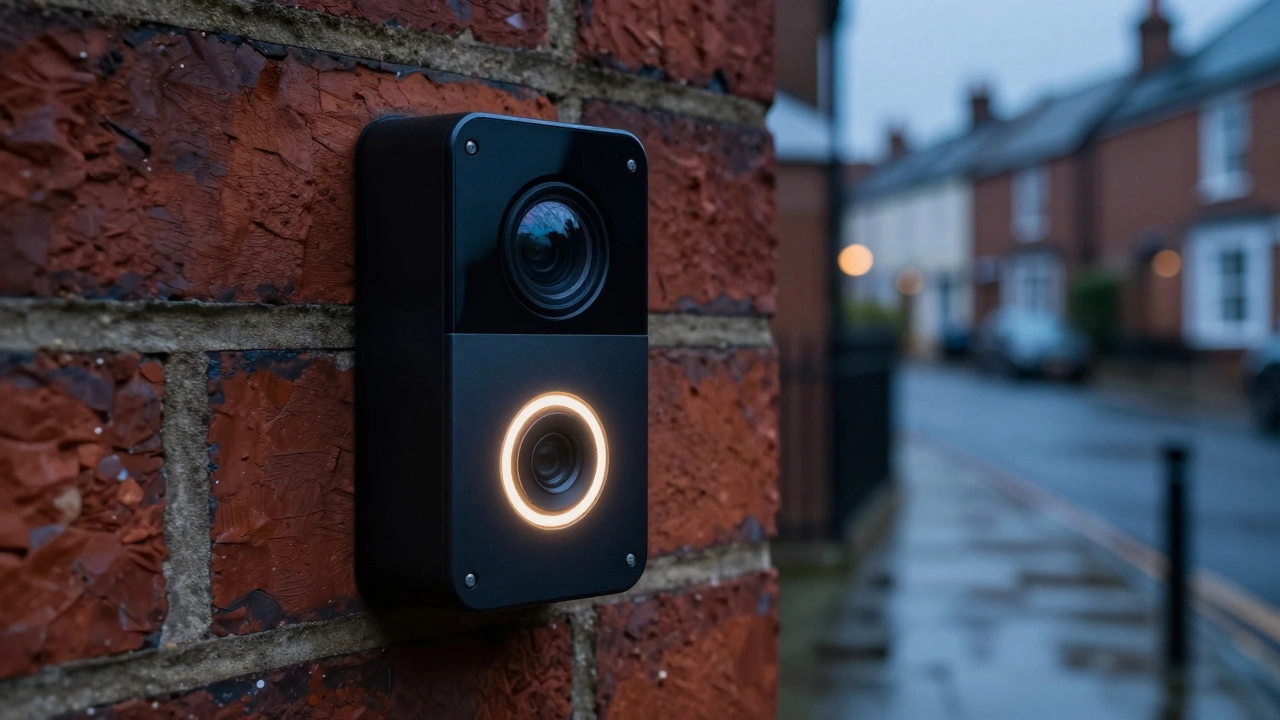
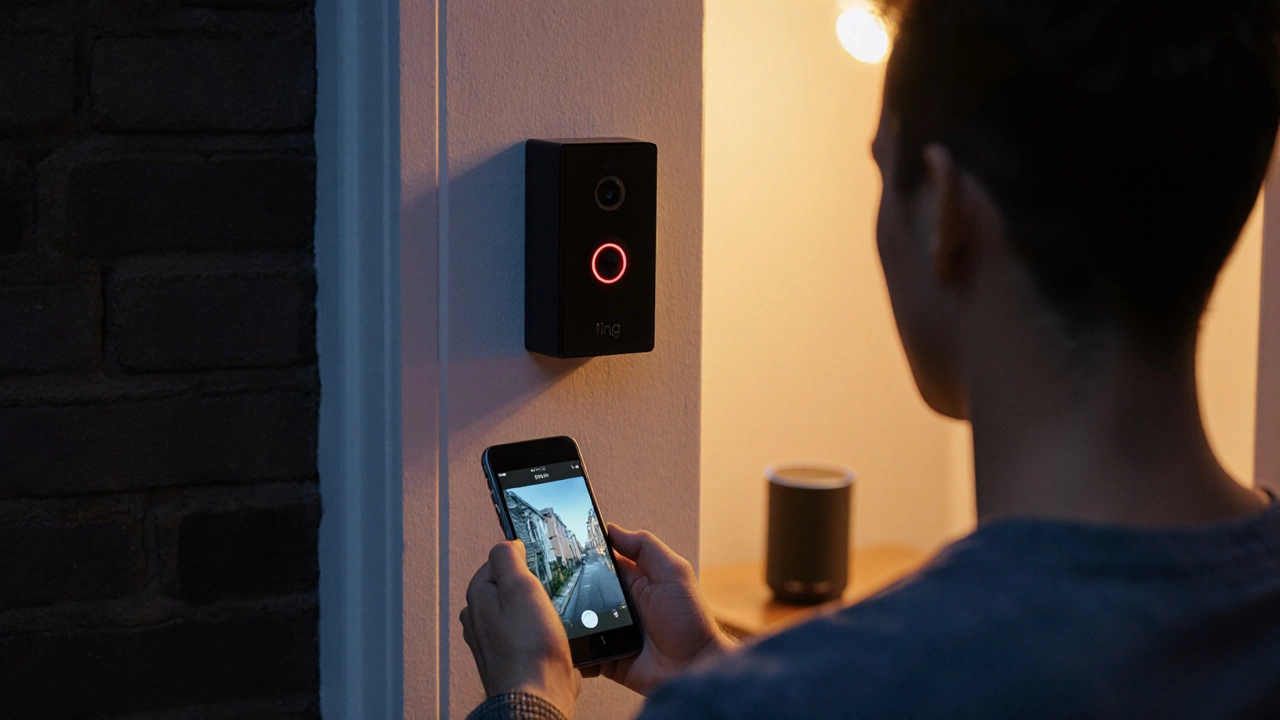
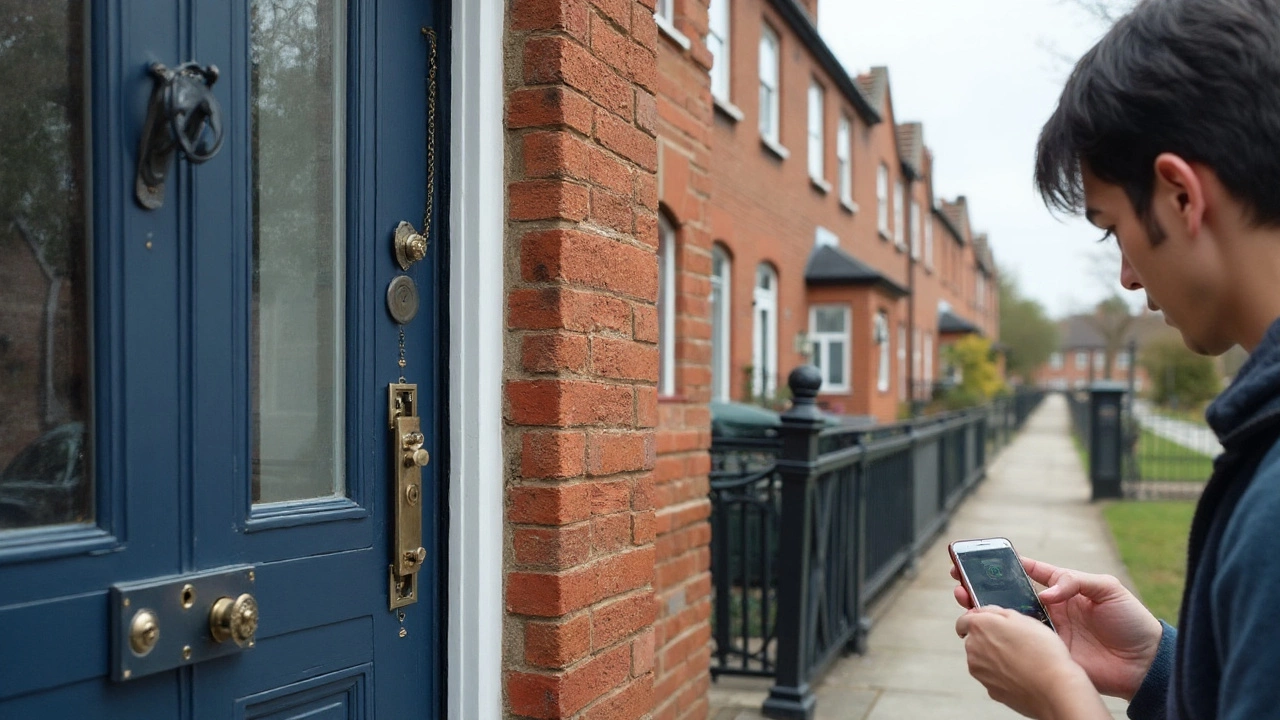
Doorbells are the front line of any security plan. The biggest decision is wired versus battery. A wired unit plugs into your existing doorbell transformer, usually 16‑24V, and never worries about running out of juice. Battery models offer easy DIY installation, but you’ll need to check the battery life—many last 6‑12 months depending on motion alerts and video quality.
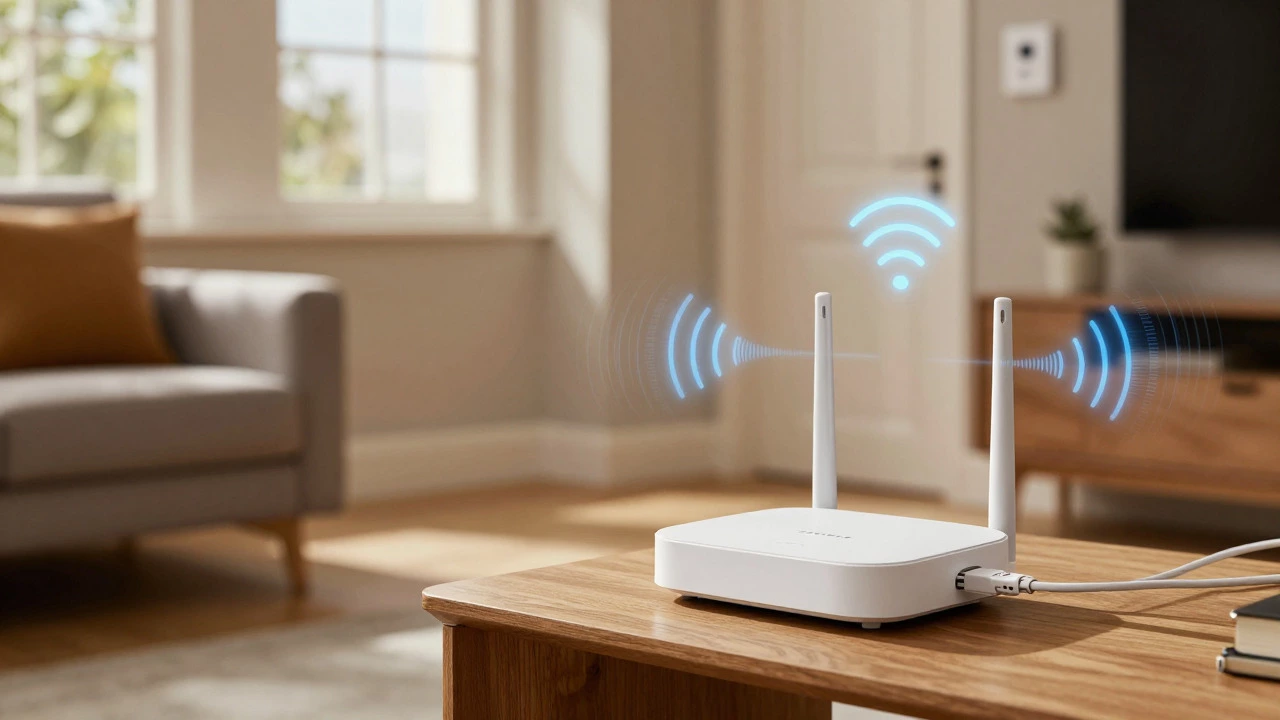
If Wi‑Fi is shaky in your hallway, look for a doorbell that supports Ethernet back‑up or LTE add‑on. That way, a temporary internet outage won’t mute your alerts. Also, verify that the chime in your home can pair with the doorbell; most UK models need a 12‑24V chime transformer.
Securing Your Home with Cameras and Sensors
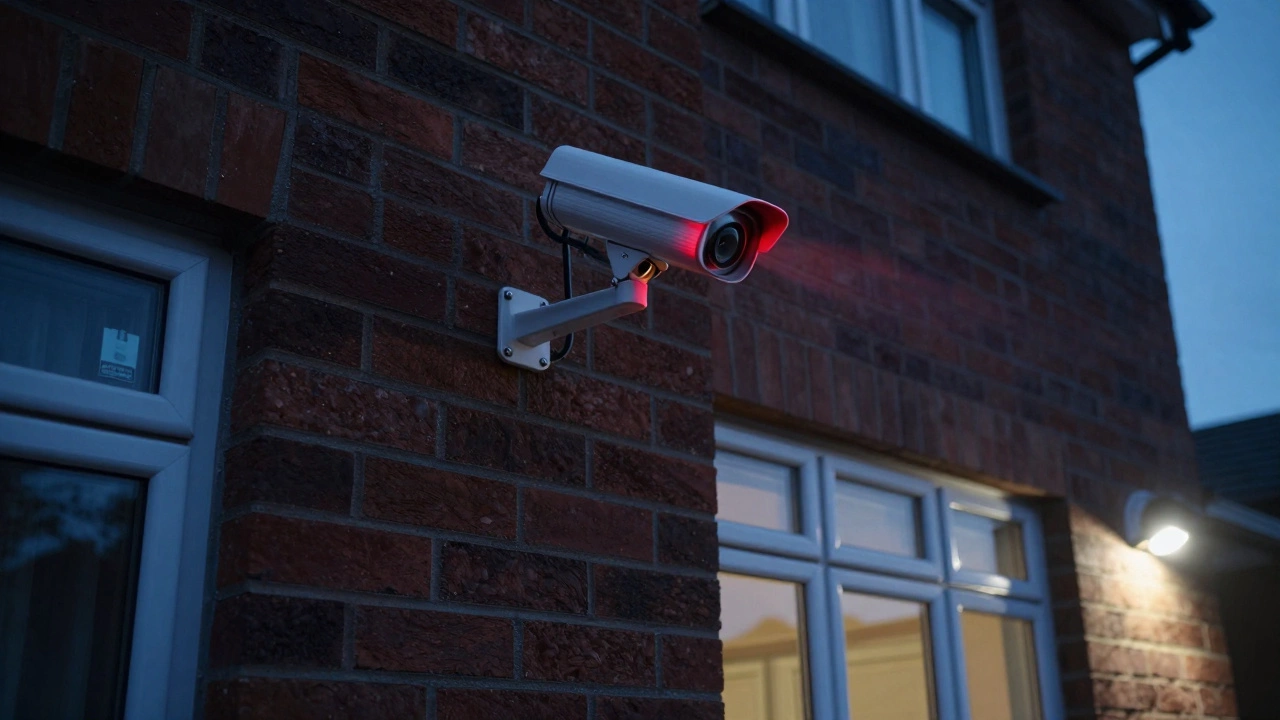
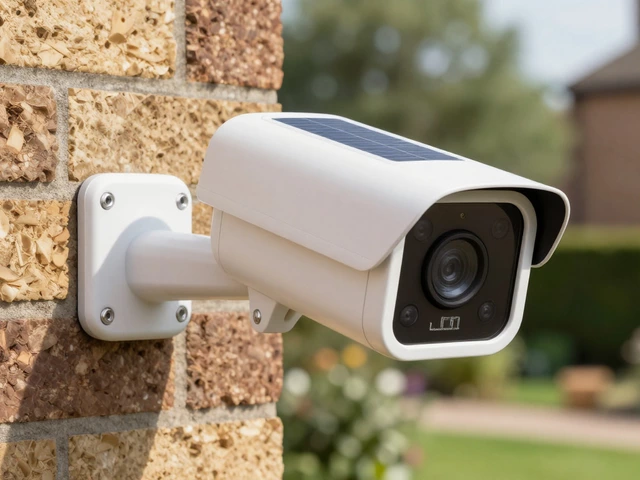
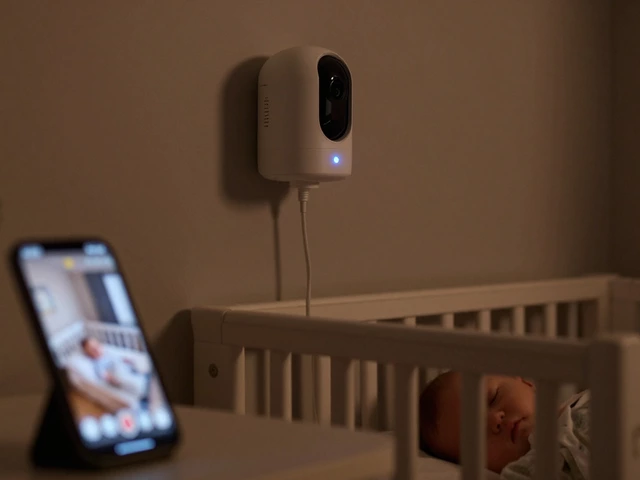
Home security cameras come in two flavors: Wi‑Fi‑only and hybrid (wired power, wireless video). Wi‑Fi cameras are easy to set up, but they can be vulnerable to hacking and signal drops. A hybrid camera keeps the video stream steady while still letting you view footage on your phone.
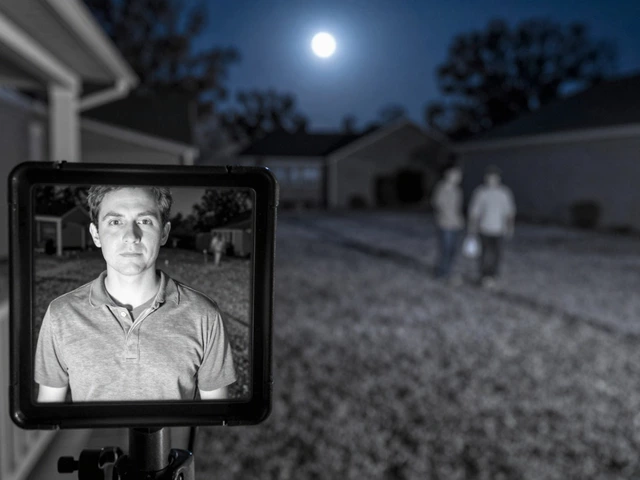
When picking a camera, check the field of view (at least 120° is a good baseline) and look for night vision with infrared LEDs. Motion detection should be adjustable—too sensitive and you’ll get endless notifications, too lax and you miss real threats.
Motion sensors add another layer. PIR sensors detect heat changes, microwave sensors sense movement through radio waves, and dual‑tech units combine both for fewer false alarms. For most homes, a dual‑tech sensor on the main entry and a PIR sensor in the living room strike the right balance between cost and reliability.
Don’t forget the network side. Separate your security devices onto a dedicated Wi‑Fi network or a VLAN. This isolates cameras and sensors from your everyday devices, cutting down the chance of a hacker jumping from a smart speaker to your video feed.
Finally, think about power outages. A UPS (uninterruptible power supply) can keep your hub and critical cameras alive for a few hours, giving you enough time to call the monitoring service or switch to backup power. Many UK alarm providers, including Birmingham Security Command Center, offer 24/7 monitoring that works even when the internet drops, as long as the alarm panel stays powered.
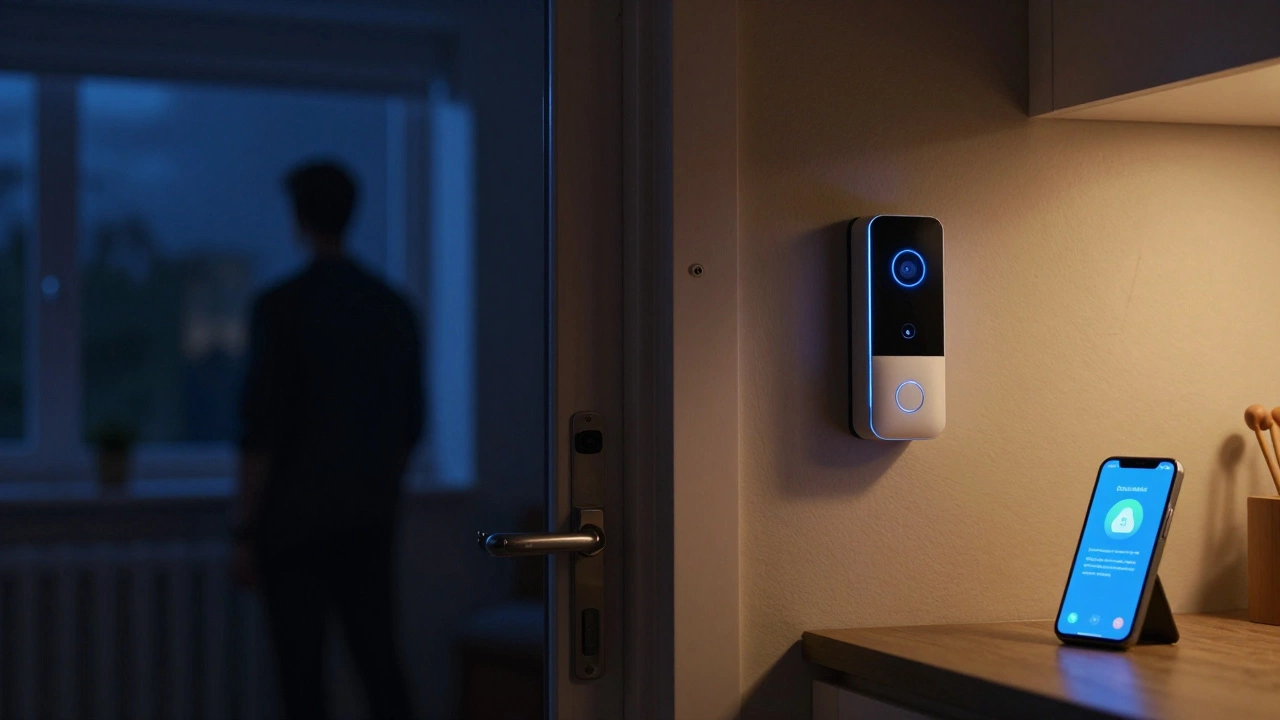
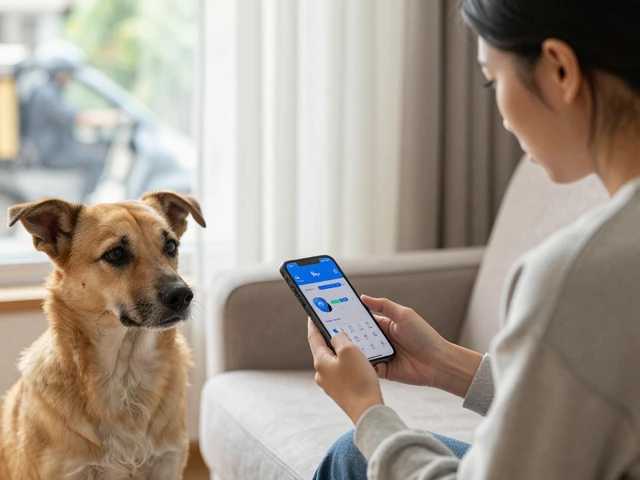
Putting it all together doesn’t have to be a massive project. Start with a doorbell that fits your wiring situation, add a couple of key cameras—one at the front door, one covering the backyard—and slot in motion sensors where you spend the most time. Test each device, adjust the motion sensitivity, and make sure your phone gets the alerts you need.
Smart home security is less about buying the flashiest gadget and more about creating a reliable, layered system. Keep your Wi‑Fi secure, back‑up power where possible, and choose devices that match your home’s layout. With those basics in place, you’ll enjoy the convenience of a connected home and the confidence that you’ve got solid protection against unwanted visitors.