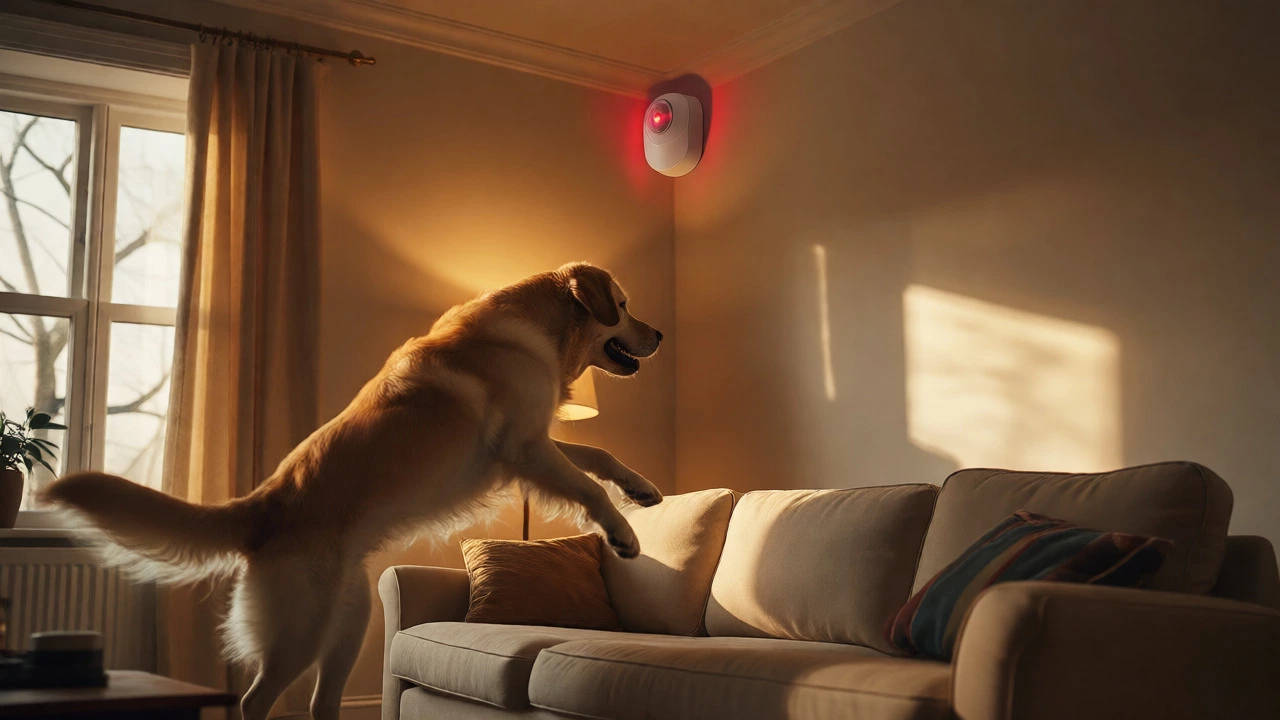
Will My Dog Set Off My Alarm? The Truth About Pet-Friendly Security
Does your dog trigger your home alarm? Discover how pet-immune sensors work, optimal mounting heights, and weight thresholds to stop false alarms.
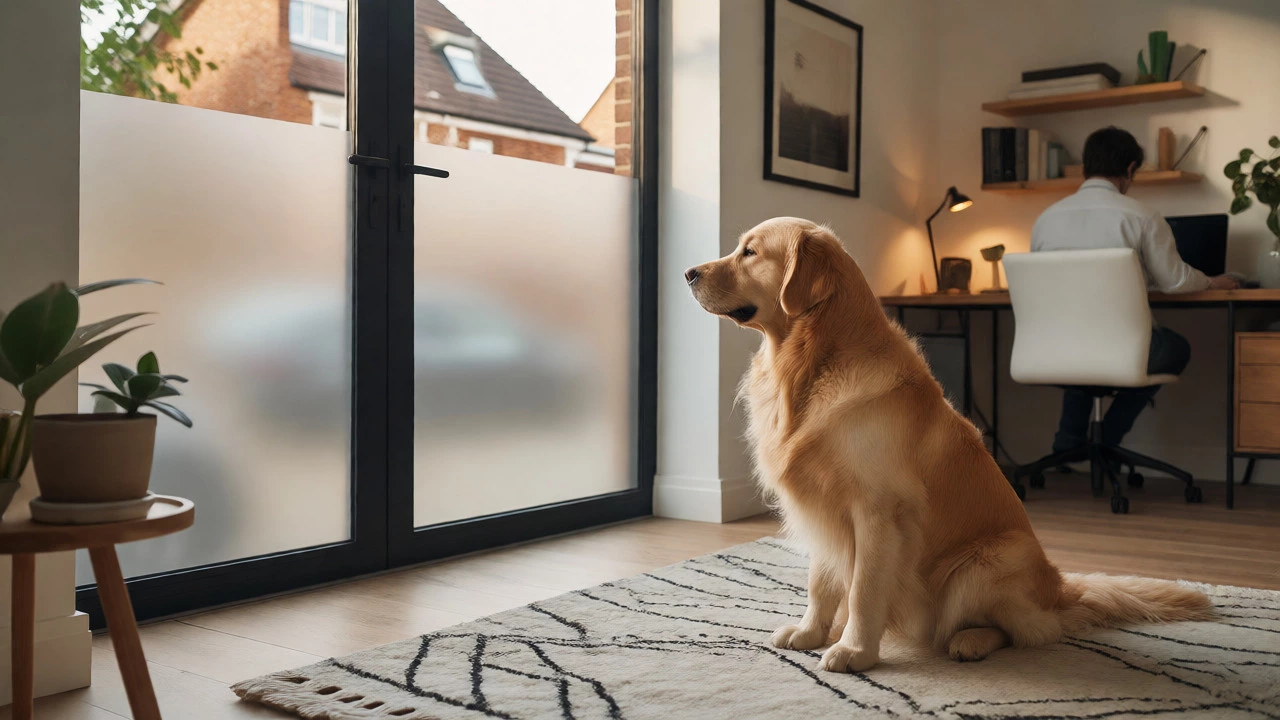
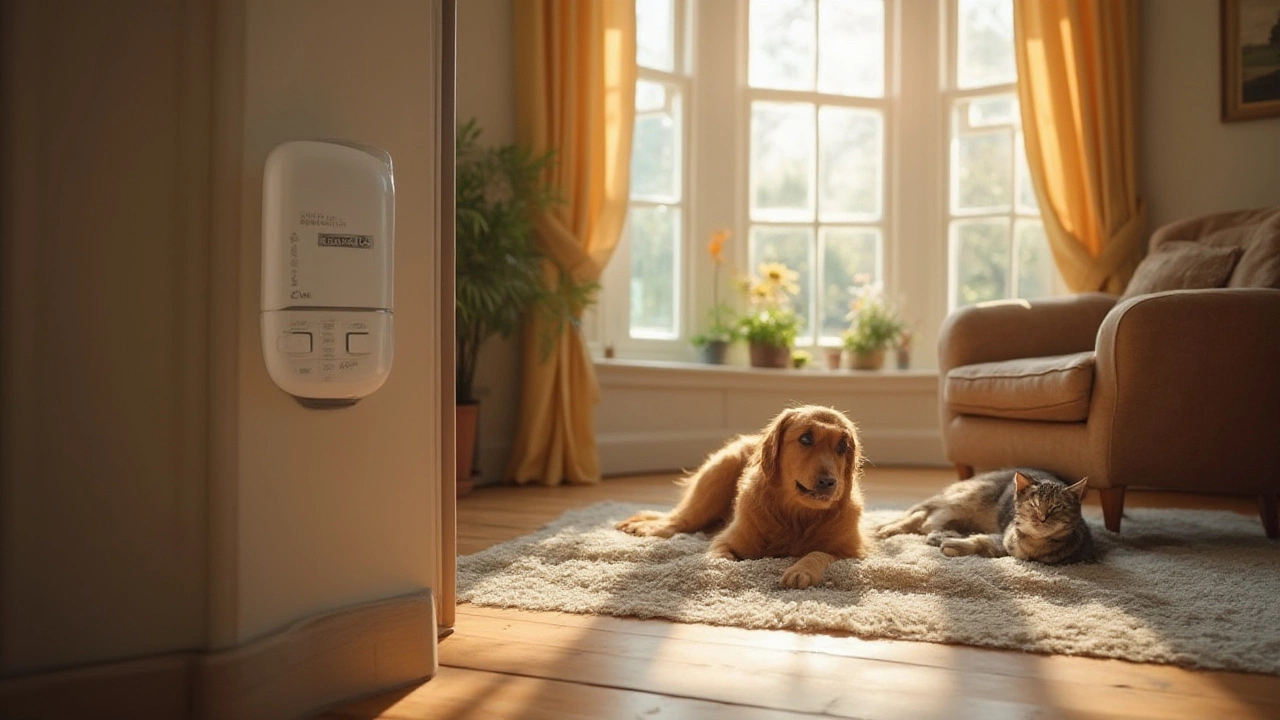
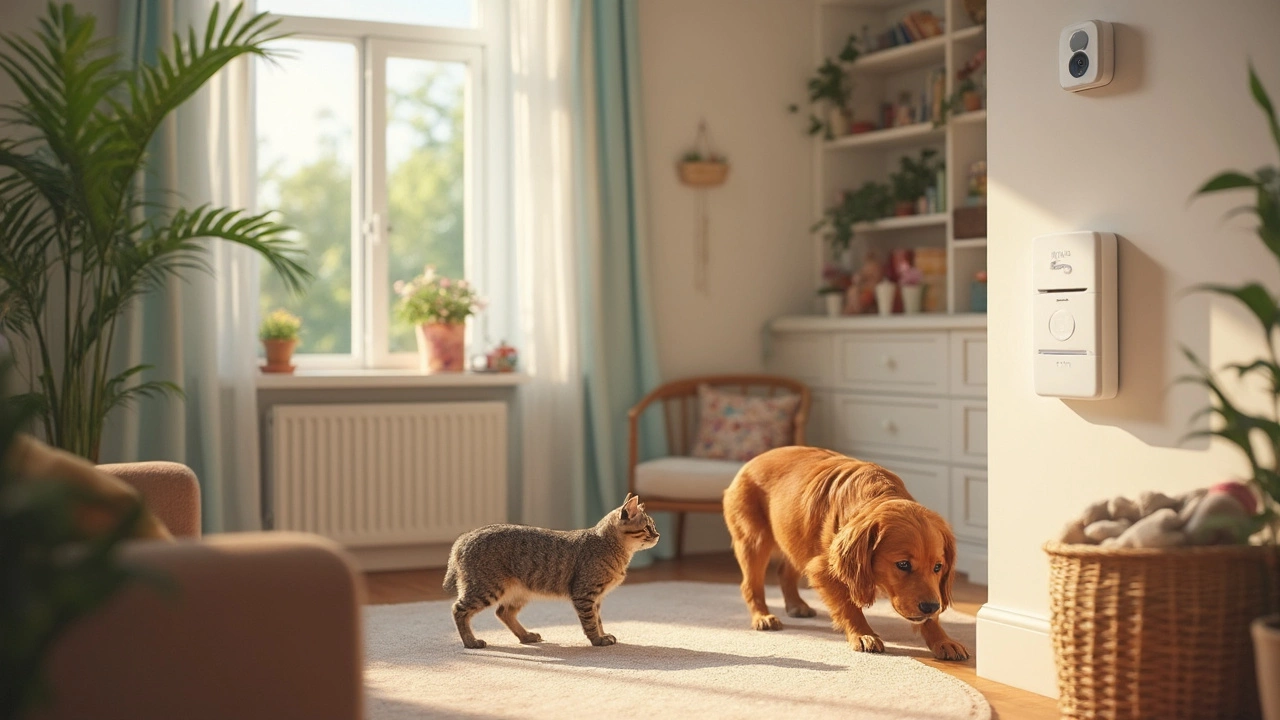
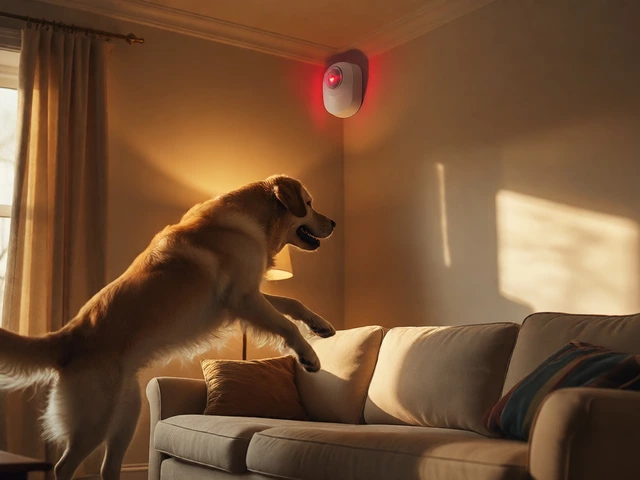
If you have a dog that loves to jump on the couch or a cat that roams every room, the last thing you want is a security alarm that goes off every time they move. False alarms are more than an annoyance – they can cost you money, waste your time, and even make you hesitate to use the system at all. The good news is that modern alarm systems are designed to tell the difference between a pet and an intruder, so you can protect your house without stressing your furry friends.
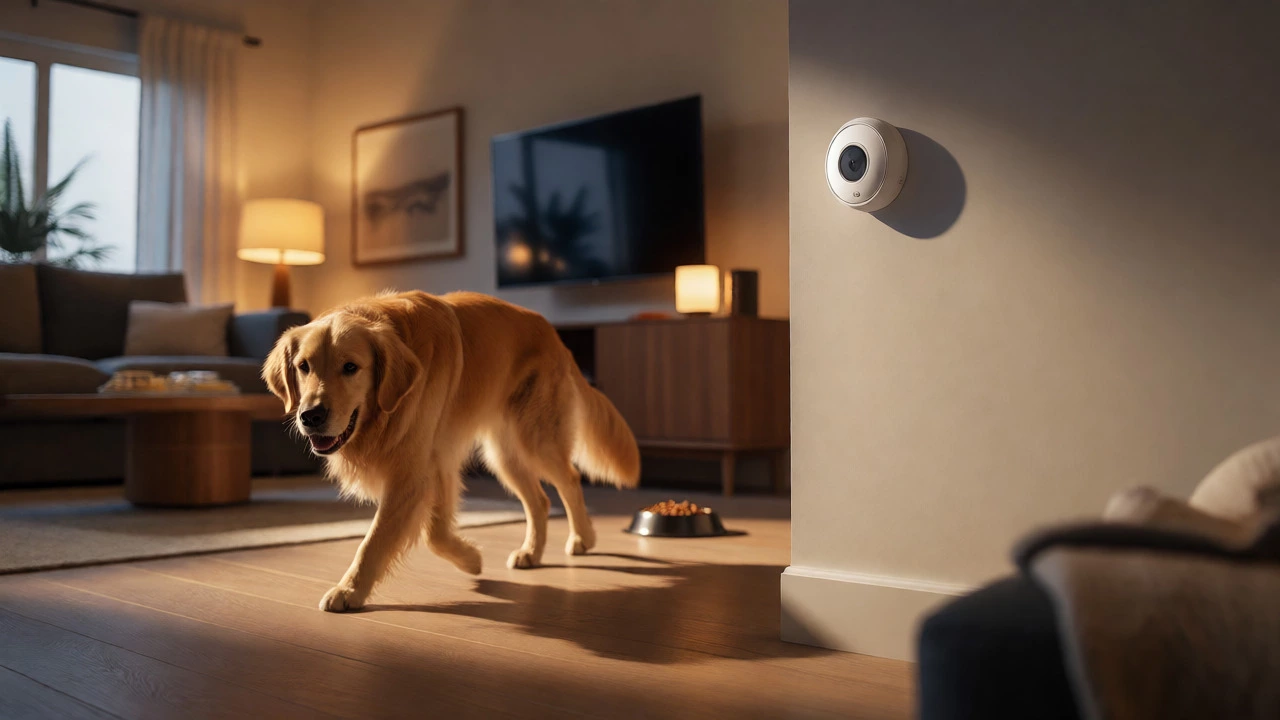
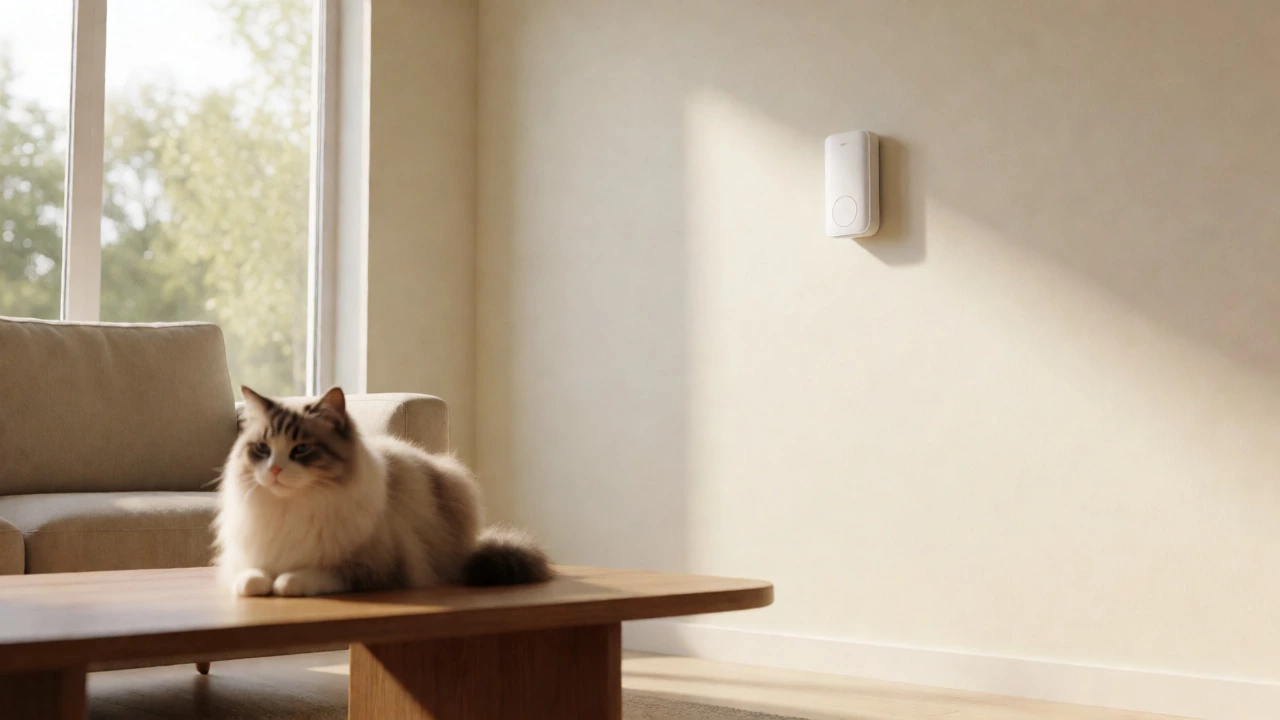
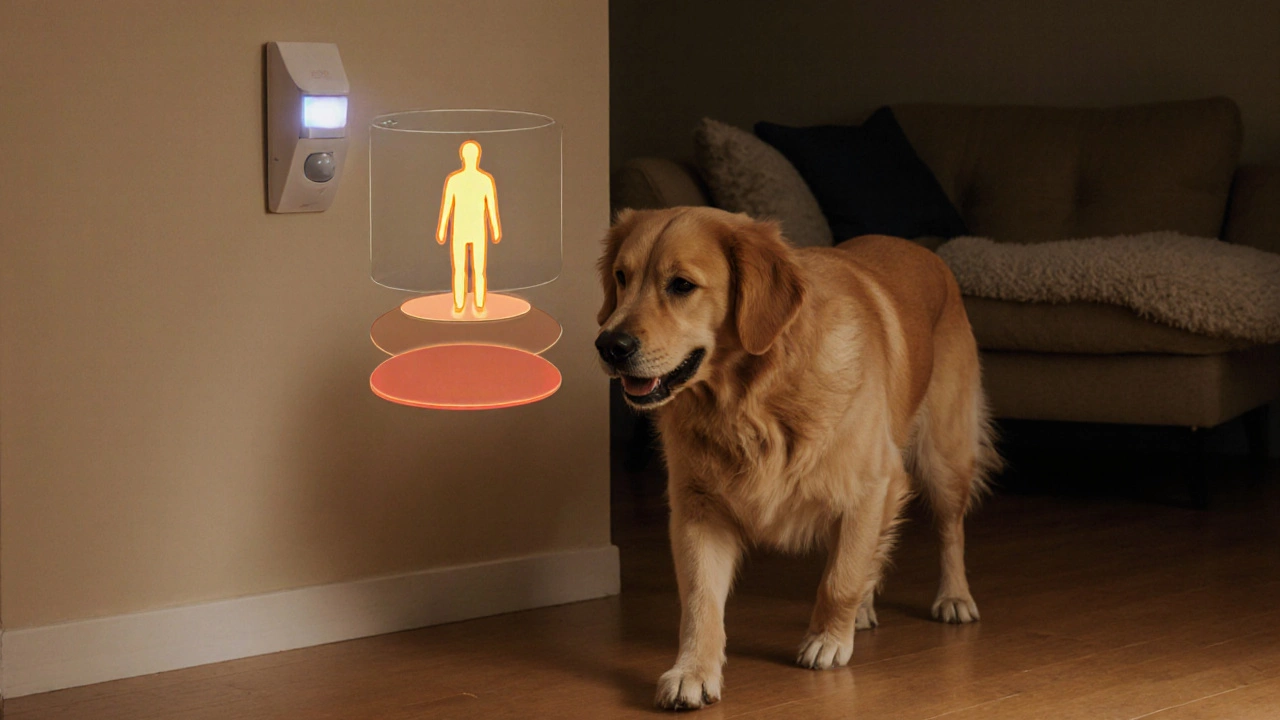
Look for sensors that let you set a pet‑immune zone or adjust sensitivity. Many PIR (passive infrared) sensors now have a "pet mode" that ignores motion from animals under a certain weight, usually around 30‑40 lbs. Dual‑technology devices combine PIR with microwave or ultrasonic detection, giving you a second layer that can confirm whether the movement is human.
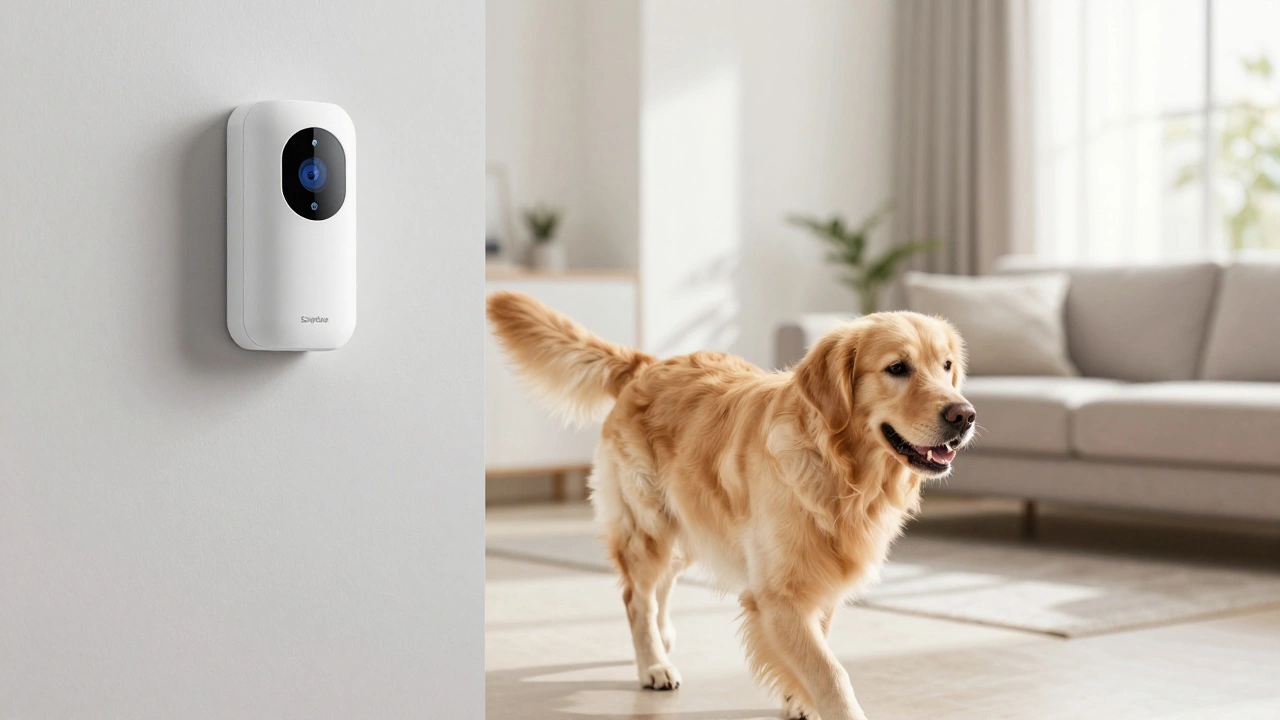
Another handy feature is pet‑tolerant door/window contacts. These contacts stay closed when a pet leans on a door but open when the latch moves. Some systems also offer video verification – a camera sends a live snapshot to your phone, so you can see if it’s just your dog or a real threat before you call the police.
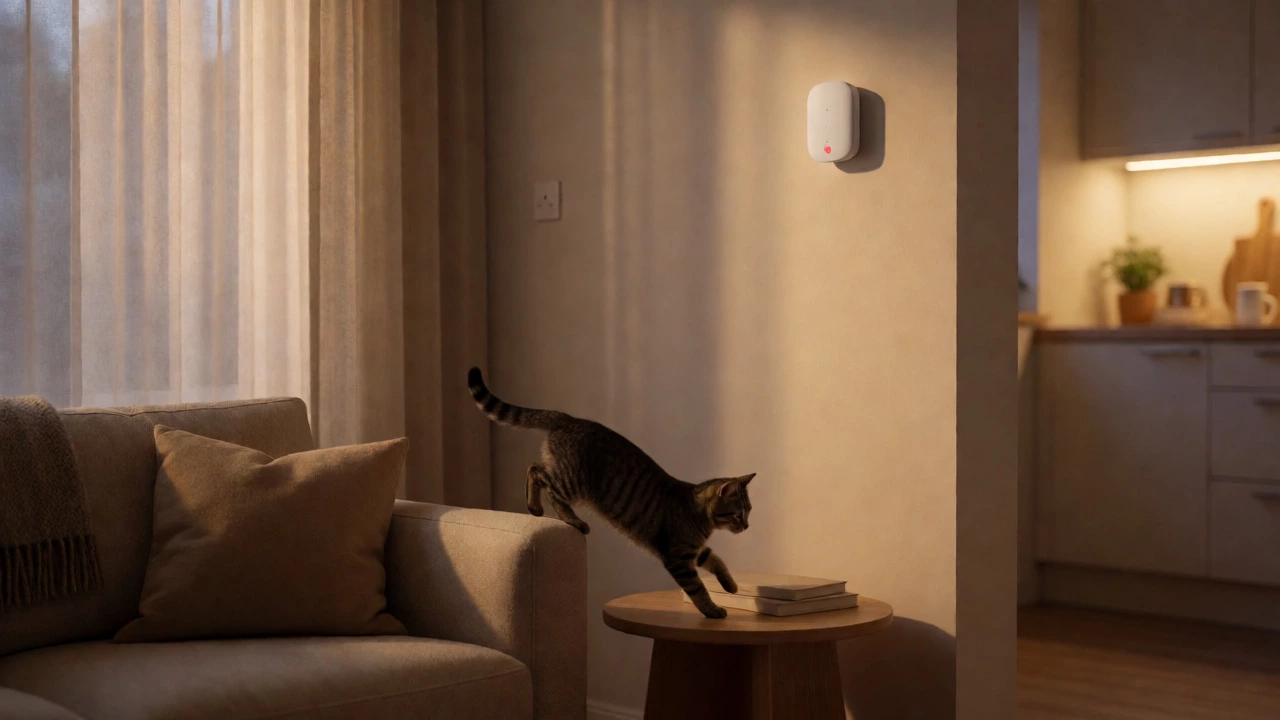
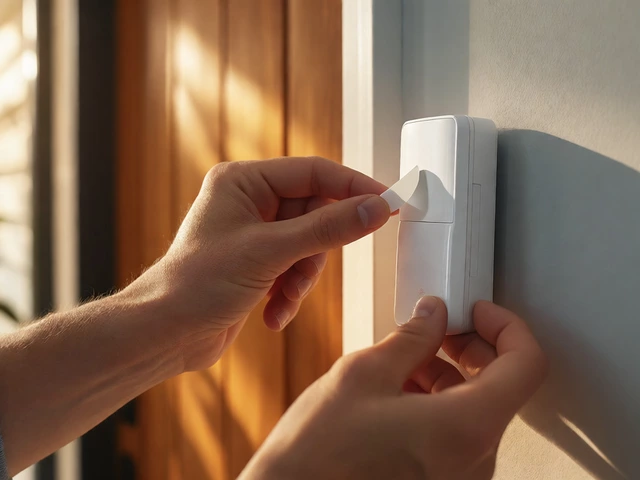
Start by placing motion sensors away from high‑traffic pet areas. If your cat loves to dash under the dining table, move the sensor a few feet higher or angle it toward the ceiling. Use floor‑mounted detectors for pets that frequently walk across rooms; they’re less likely to pick up a small animal’s movement.
After installing, run a test with your pet. Walk your dog through the sensor’s range at normal speed and see if the alarm triggers. If it does, lower the sensitivity or add a pet‑immune tag. For cats, try a short play session near the sensor – they’re agile, so a small adjustment can make a big difference.
Keep sensors clean and free of dust. Pet hair can build up and cause false readings. Also, remember that pets grow. If you have a puppy, you might need to raise the weight threshold as it gets bigger.
When choosing a brand, consider options like Ring Alarm, ADT, and SimpliSafe, which all offer pet‑friendly settings in their apps. Ring lets you set a pet detection mode with a single tap, while ADT provides professional calibration for homes with multiple animals. SimpliSafe’s sensors have a built‑in pet‑immune filter that works out of the box.
Don’t forget to integrate your alarm with other smart devices. A smart lock can keep doors shut when you’re away, reducing the chances of a pet pushing them open and setting off a contact sensor. Light automation can also deter intruders without relying solely on motion triggers.
Finally, schedule regular checks. Test the system monthly, especially after a big change like a new pet or a renovation. A quick walk‑through will catch any sensor that’s become too sensitive or misaligned.
With the right sensors, a few simple adjustments, and a bit of testing, you can have an alarm that watches out for burglars but ignores your dog’s wagging tail. Enjoy peace of mind knowing your home is protected and your pets can roam freely.
Does your dog trigger your home alarm? Discover how pet-immune sensors work, optimal mounting heights, and weight thresholds to stop false alarms.
Discover effective ways to stop a barking dog without punishment. Learn positive reinforcement techniques, environmental tweaks, and when to use pet-friendly devices.
Discover how to configure Ring motion detectors to ignore pets. Learn about sensitivity settings, mounting heights, and AI pet detection features to prevent false alarms.
Discover how Ring home security works with pets. Learn to configure motion sensors to avoid false alarms and use Ring Pet Tags for lost pet recovery.
Learn if your cat will trigger SimpliSafe alarms. Discover how Pet Mode, mounting height, and sensor type affect false alarms for cats.
Do vets recommend anti-barking devices? Most oppose shock collars due to welfare risks. Learn about vet-approved alternatives like sound masking and positive reinforcement.
Discover how dogs perceive time, specifically why 4 hours feels like 5 due to metabolism and scent fading. Learn how enrichment and pet-friendly alarms reduce separation anxiety.
Will your dog trigger your SimpliSafe alarm? Learn how to use Pet Mode, the 60lb weight limit, and pro installation tips to prevent false alarms with pets.
Learn how to tell if your alarm system truly ignores pets without triggering false alarms. Discover which brands work best for dogs and cats, how to test your setup, and what features actually matter for pet safety.
Discover what a pet friendly alarm really is, how it works, and how to choose the best system to safeguard your home and your furry family members.
Tired of your dog setting off the house alarm? Learn the best ways to prevent false alarms, adjust sensors, and keep your pet—and your sanity—safe.
Worried if Ring alarm systems might stress out your pets or set off false alarms? This article breaks down how Ring devices interact with pets in your home and highlights how you can tweak settings for peaceful co-living. Learn what features make the system pet-friendly, the most common pitfalls, and tips to keep both your pets and your house safe. Plus, find out which Ring setups work best for homes full of furry friends. Get real answers, no sugar-coating.