How Long Do Outdoor LED Security Lights Last? Real-World Lifespan Guide
Discover the real lifespan of outdoor LED security lights. We break down L70 ratings, driver failures, and how usage patterns affect longevity.
When the sun goes down, good lighting is your first line of defense. A well‑placed outdoor security light not only helps you see, it sends a clear message to anyone thinking about breaking in: we’re watching. In the next few minutes you’ll learn what type of light works best, how bright it should be, where to put it, and which LED color lasts longest.
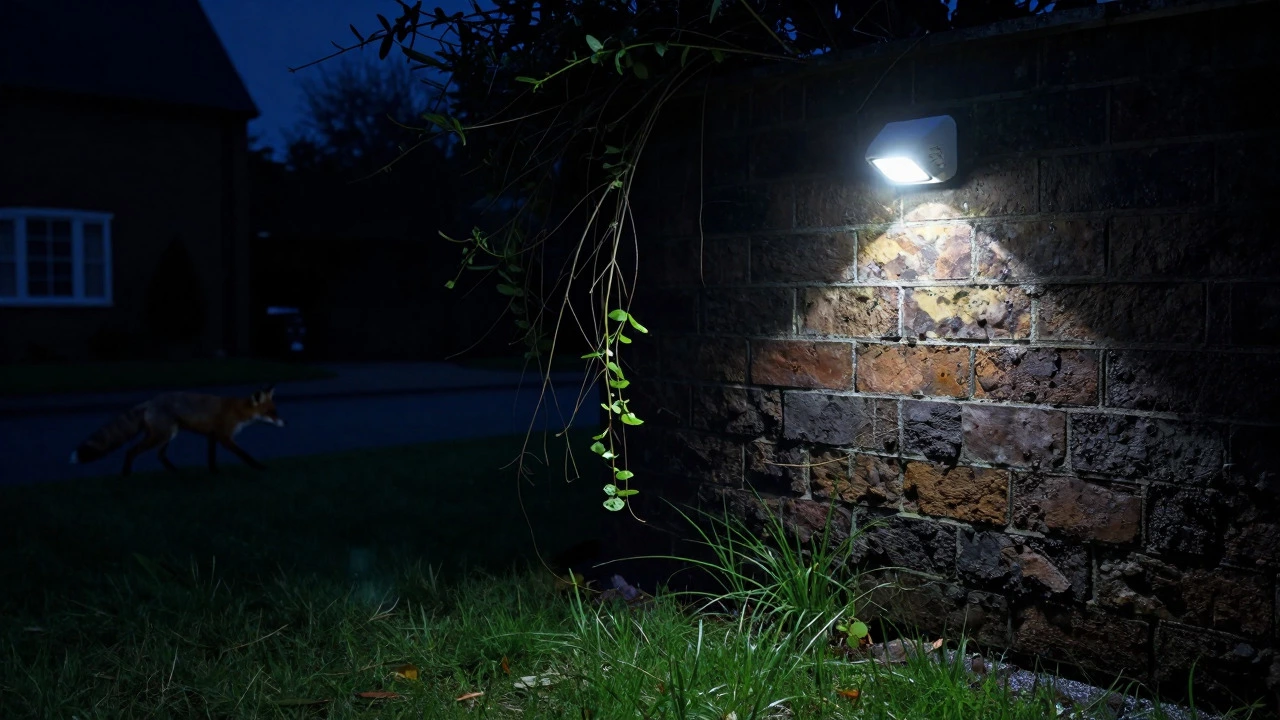
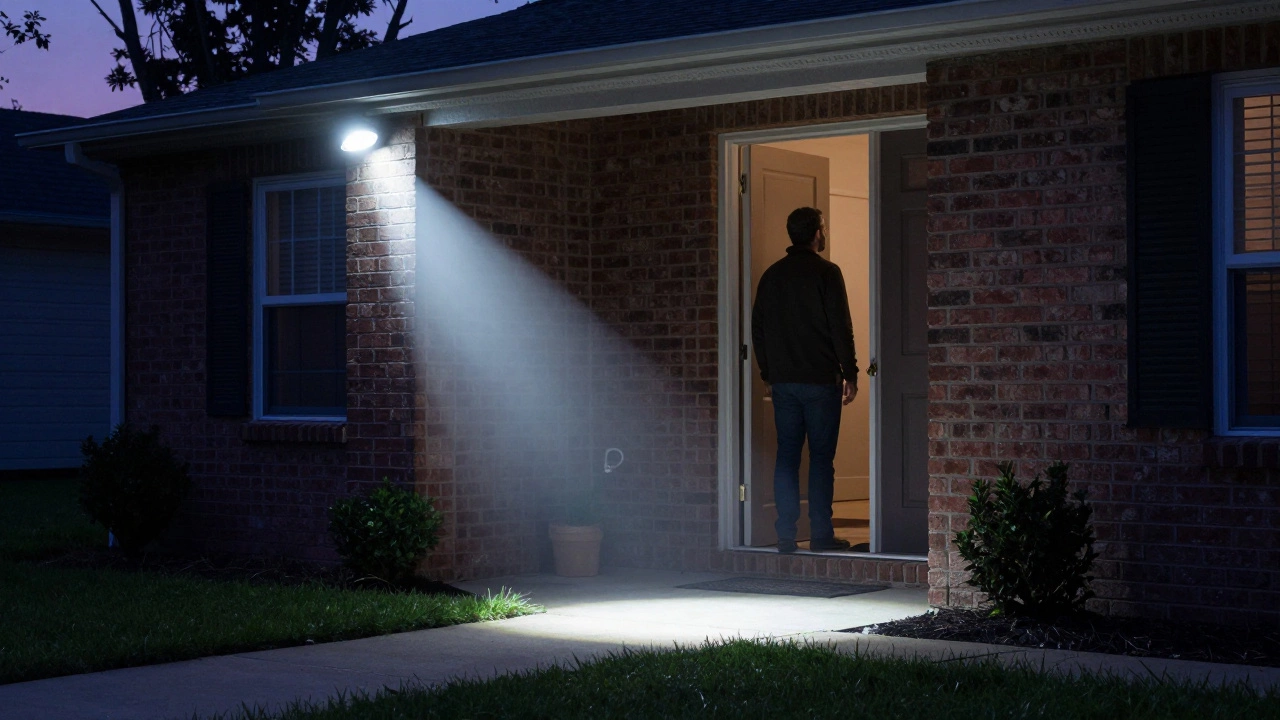
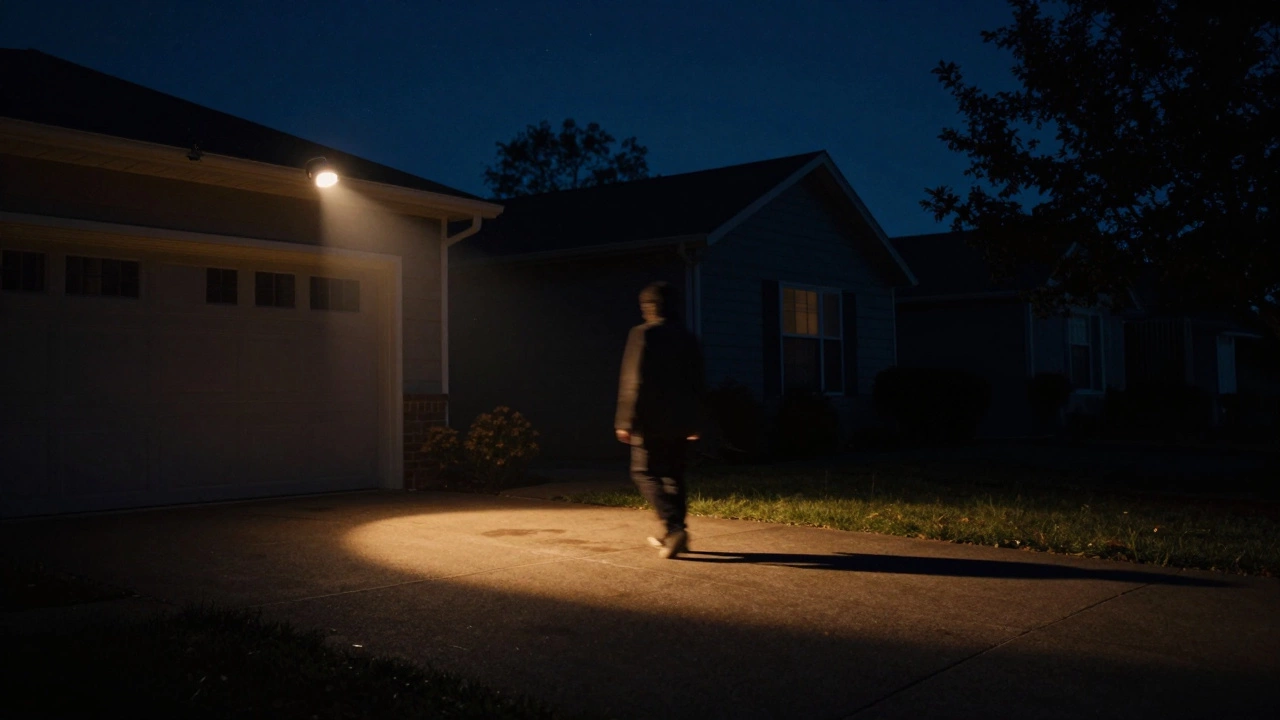
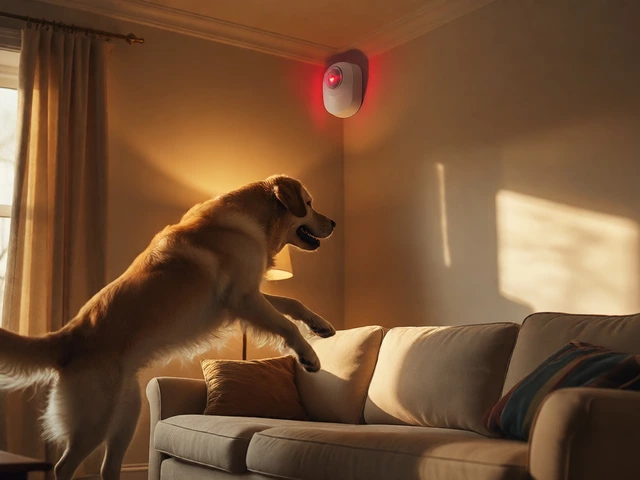
Most homeowners start with a motion sensor light because it turns on only when needed. There are three common sensor types: Passive Infrared (PIR) senses body heat, microwave sensors detect movement through radio waves, and dual‑technology units combine both for fewer false triggers. If you live in a busy street, a dual‑technology sensor cuts down on lights turning on every passing car.
Brightness matters, but more lumens isn’t always better. For a driveway or sidewalk, aim for 700‑1,200 lumens – enough to see faces but not so bright it blinds you. Floodlights cover a wide area with lower intensity, while spotlights focus a tighter beam on entry points. Choose based on the shape of the space you need to protect.
Wattage is a red herring; it’s the LED output that counts. A 10‑watt LED can produce the same light as a 60‑watt incandescent bulb. Look for the lumen rating on the package instead of the watt number. This keeps your electricity bill down while still giving you solid illumination.
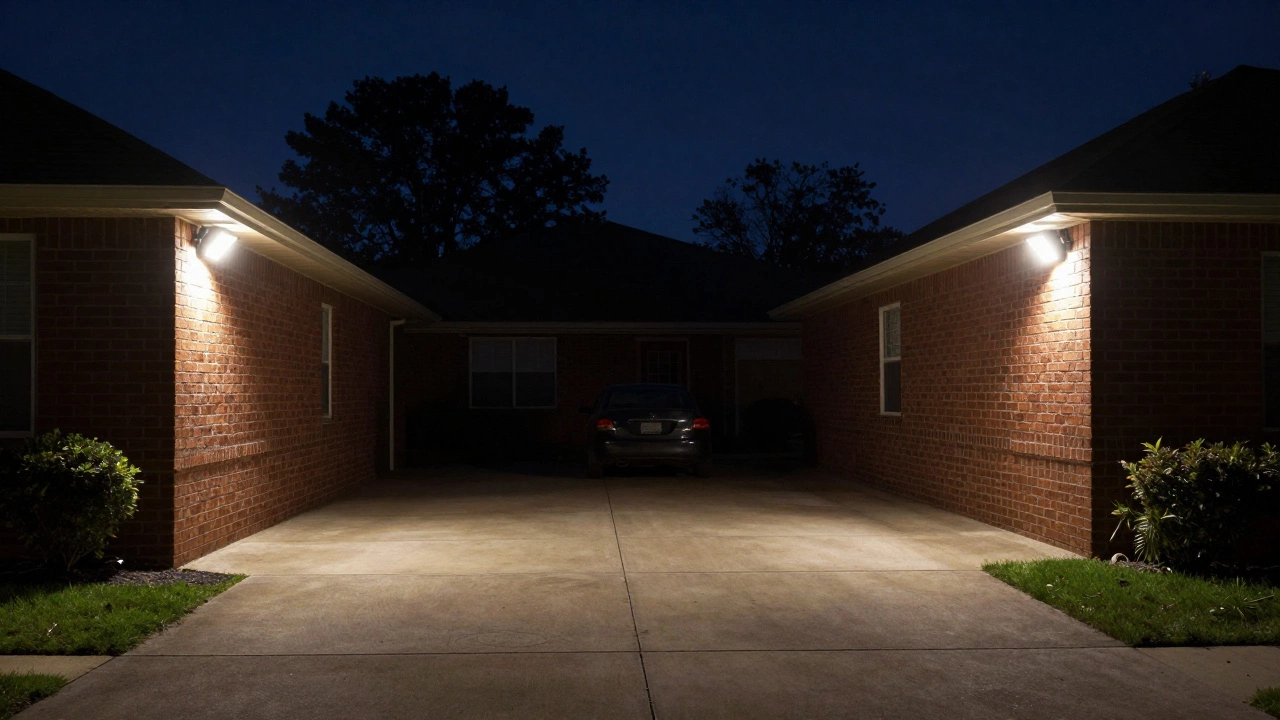
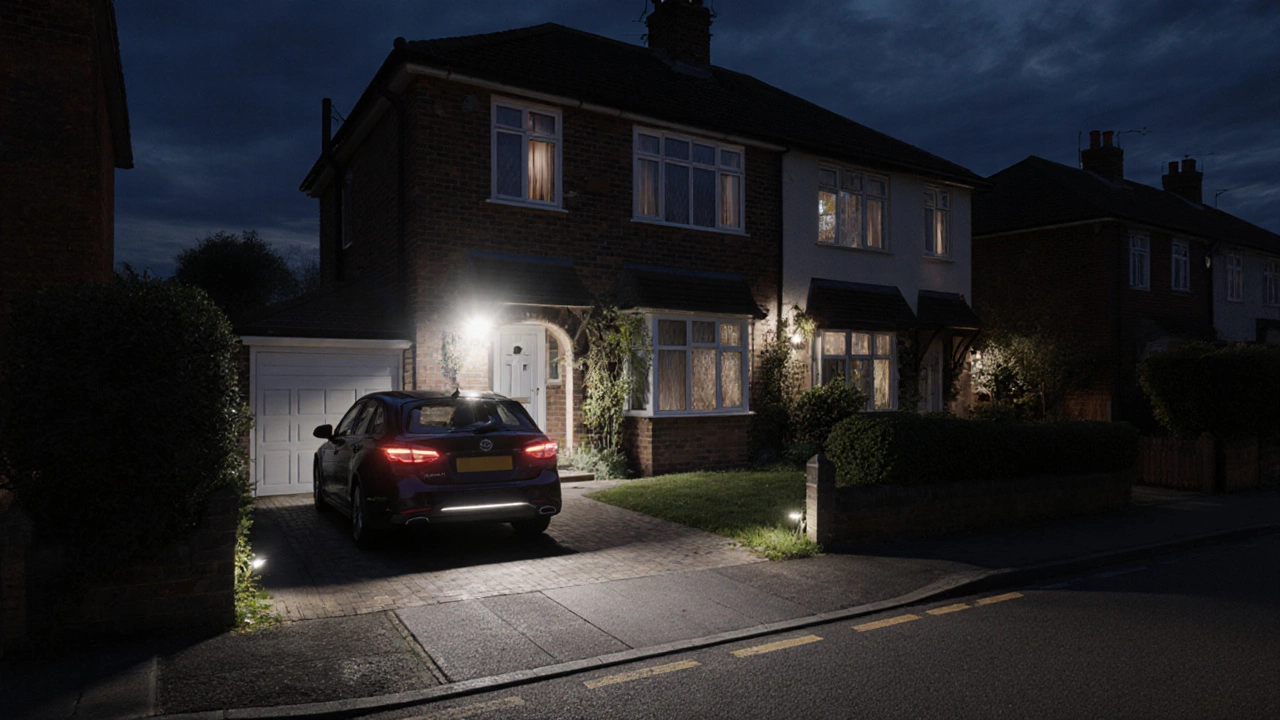
Think like a burglar: they’ll look for dark spots, blind corners and places where light doesn’t reach. Place lights about 10‑12 feet above the ground so the beam reaches the ground without creating harsh glare. Key spots include front and back doors, garage doors, driveway entrances, and any hidden pathways.
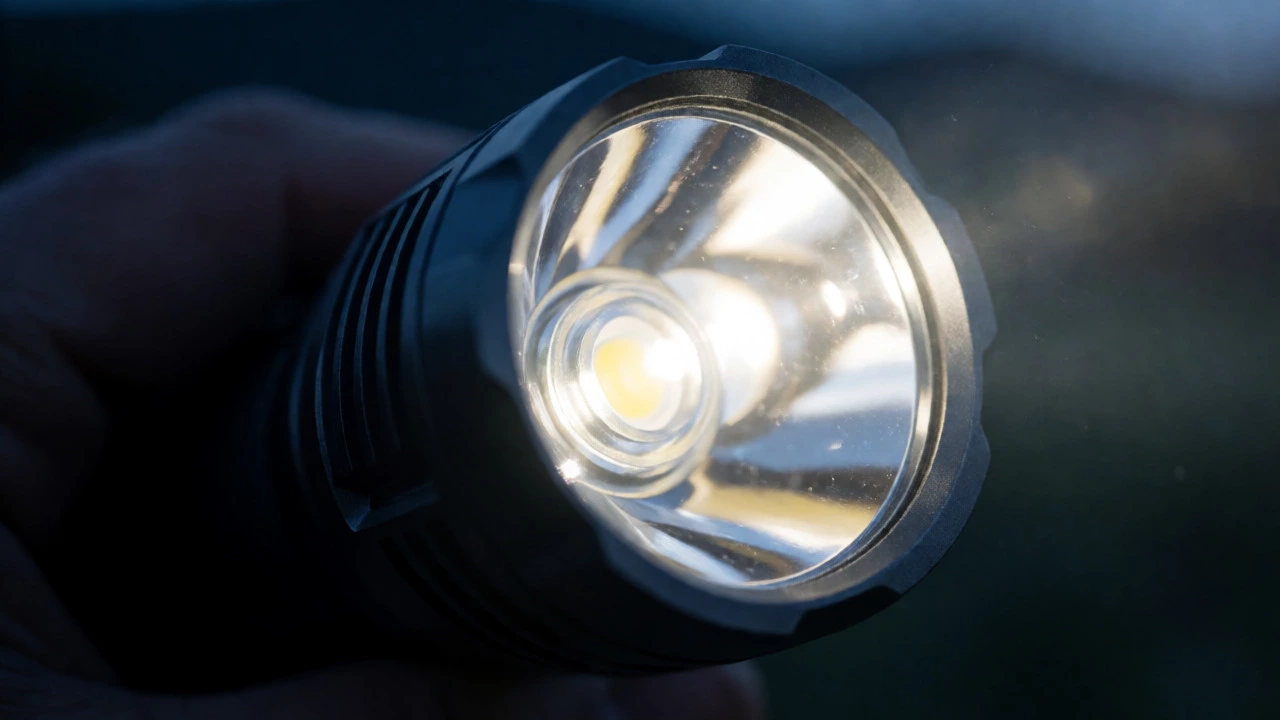
Survey your property at night with a flashlight. Notice the shadows and move the light until they disappear. A small tilt can change a wide‑angle floodlight into a focused spotlight that still covers the needed area.
LED color also plays a role. Warm white (2700‑3000K) blends with house lighting and looks inviting, while cool white (5000‑6500K) offers sharper contrast for better detection. In terms of lifespan, cooler LEDs tend to last a bit longer, but the difference isn’t huge if you pick a reputable brand.
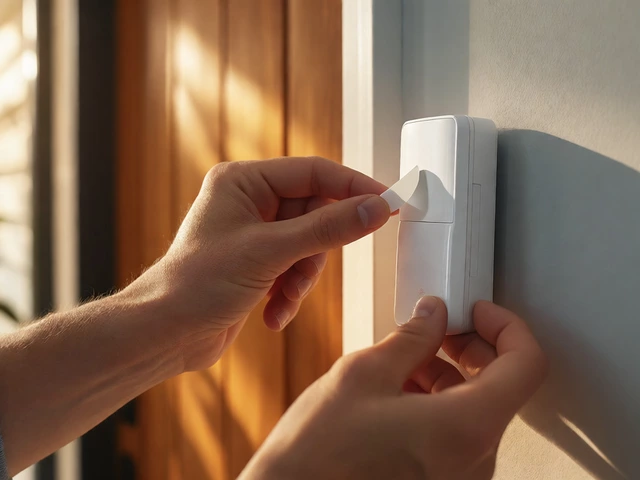
Lastly, keep an eye on the battery or wiring. A motion sensor that flickers or fails to turn on is often a power issue, a dirty sensor, or an outdated model. Clean the sensor’s lens with a soft cloth and check connections annually.
Putting these tips together, you’ll have a lighting plan that lights the right spots, uses the right technology, and stays reliable for years. Good outdoor security lighting isn’t about flashy gadgets; it’s about practical choices that make your home safer, day after day.
Discover the real lifespan of outdoor LED security lights. We break down L70 ratings, driver failures, and how usage patterns affect longevity.
Discover how far a 5000-lumen light actually shines. Learn why candela matters more than lumens for beam distance and compare real-world examples.
Discover the hidden downsides of motion sensor lights, including false triggers, blind spots, and reliability issues that affect real-world performance.
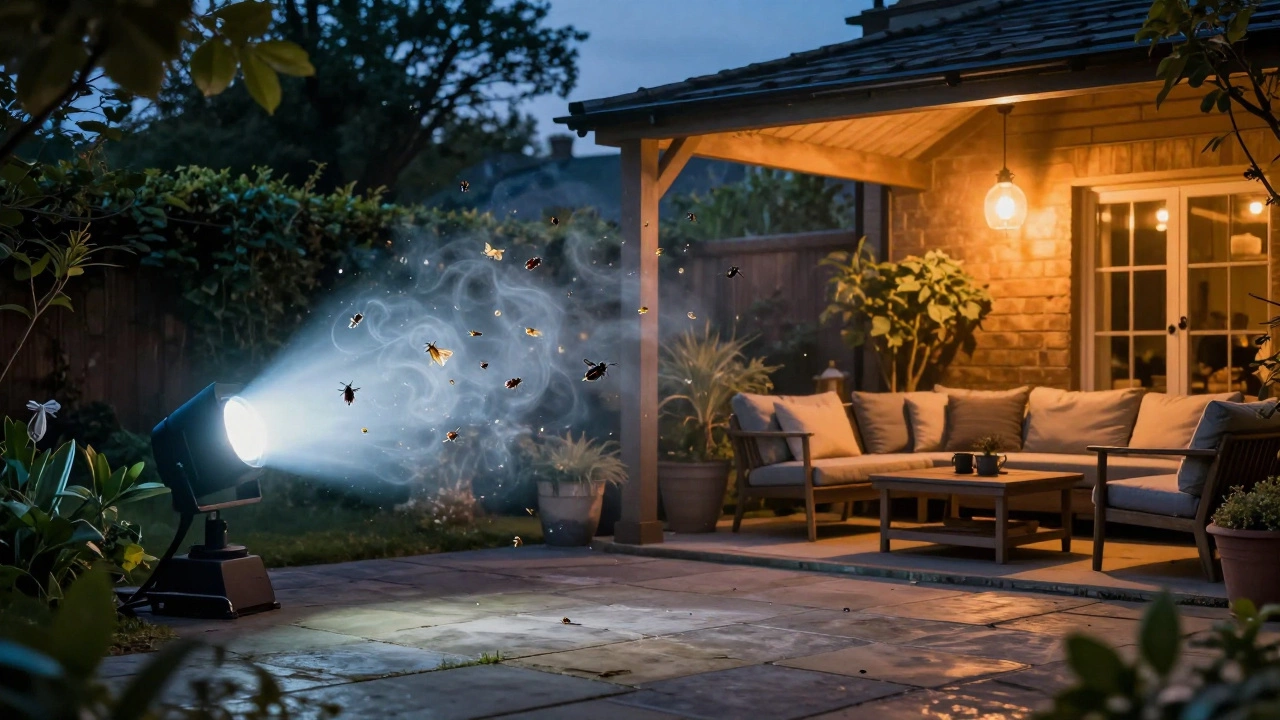
Discover the science behind bug-resistant lighting. Learn why amber and warm white LEDs keep insects away, which colors to avoid, and how to optimize your outdoor security lights for a pest-free patio.
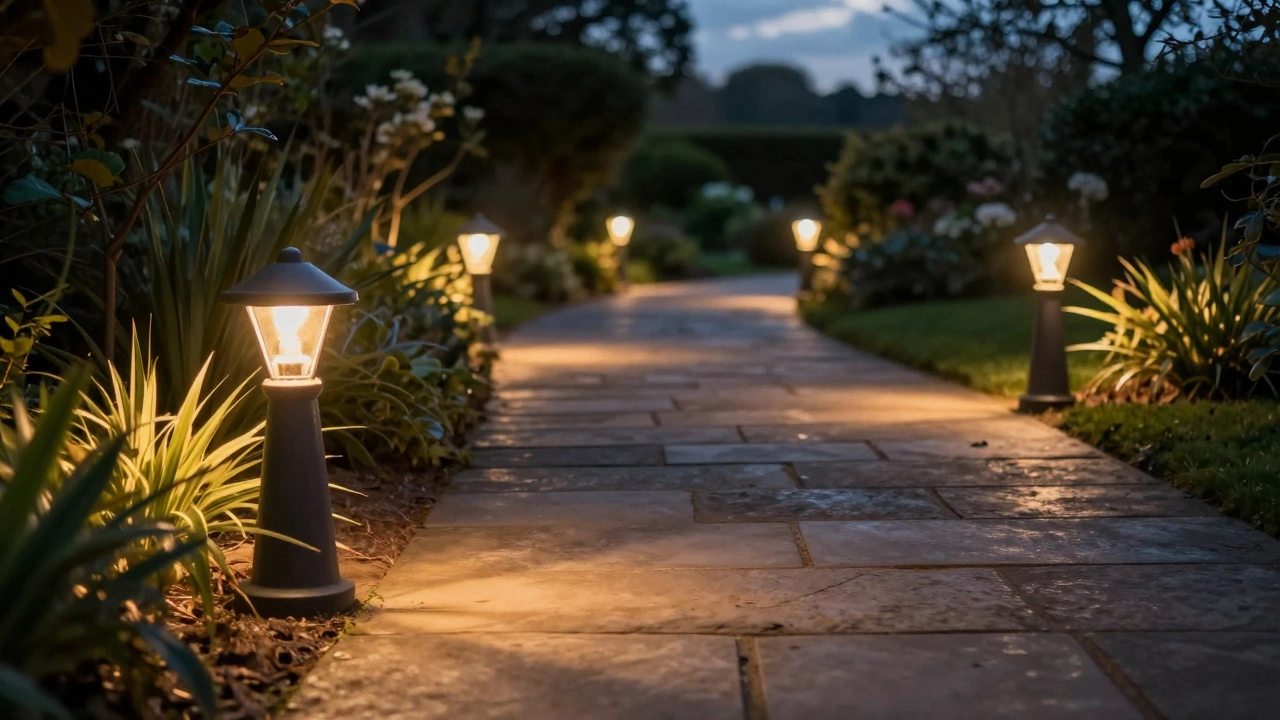
Discover what a bollard light is, how it improves outdoor safety, and tips for choosing the right LED fixtures for your garden or driveway.
Discover the ideal brightness for outdoor security lights. Learn how to calculate lumens based on square footage, choose the right color temperature, and avoid common glare mistakes for optimal home protection.
Learn exactly how many lumens you need for outdoor security lights. This guide breaks down brightness requirements by area, explains color temperature, and helps you avoid glare.
Should security lights be on all night? No-motion-activated LED lights save money, reduce light pollution, and still keep your home safe. Learn why continuous lighting is outdated and how smart motion sensors offer better protection.
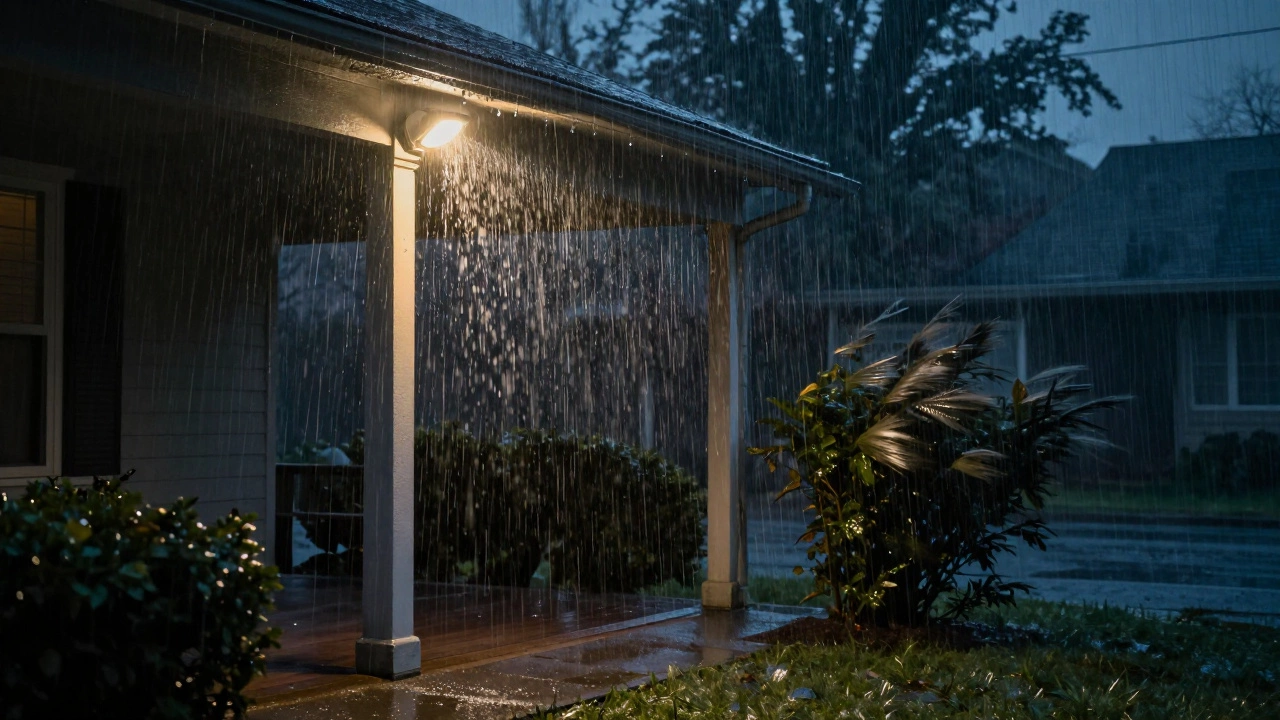
Rain can trigger motion lights due to thermal changes and movement from raindrops. Learn why this happens, which sensors are most affected, and how to stop false alarms with simple fixes or smarter tech.
Choosing between a Ring Floodlight Cam and Spotlight Cam depends on your home’s layout and security needs. Floodlight cams illuminate large areas; spotlight cams focus on entry points. Installation, cost, and weather performance also matter.
Learn how to protect outdoor security lights from rain using IP ratings, proper materials, and installation techniques. Avoid costly failures and safety hazards with proven methods that last.
Explore whether keeping outdoor lights on or off improves home security, with data, lighting types, setup tips, and a quick FAQ.